Call Us Now
 e-Mail Us Now
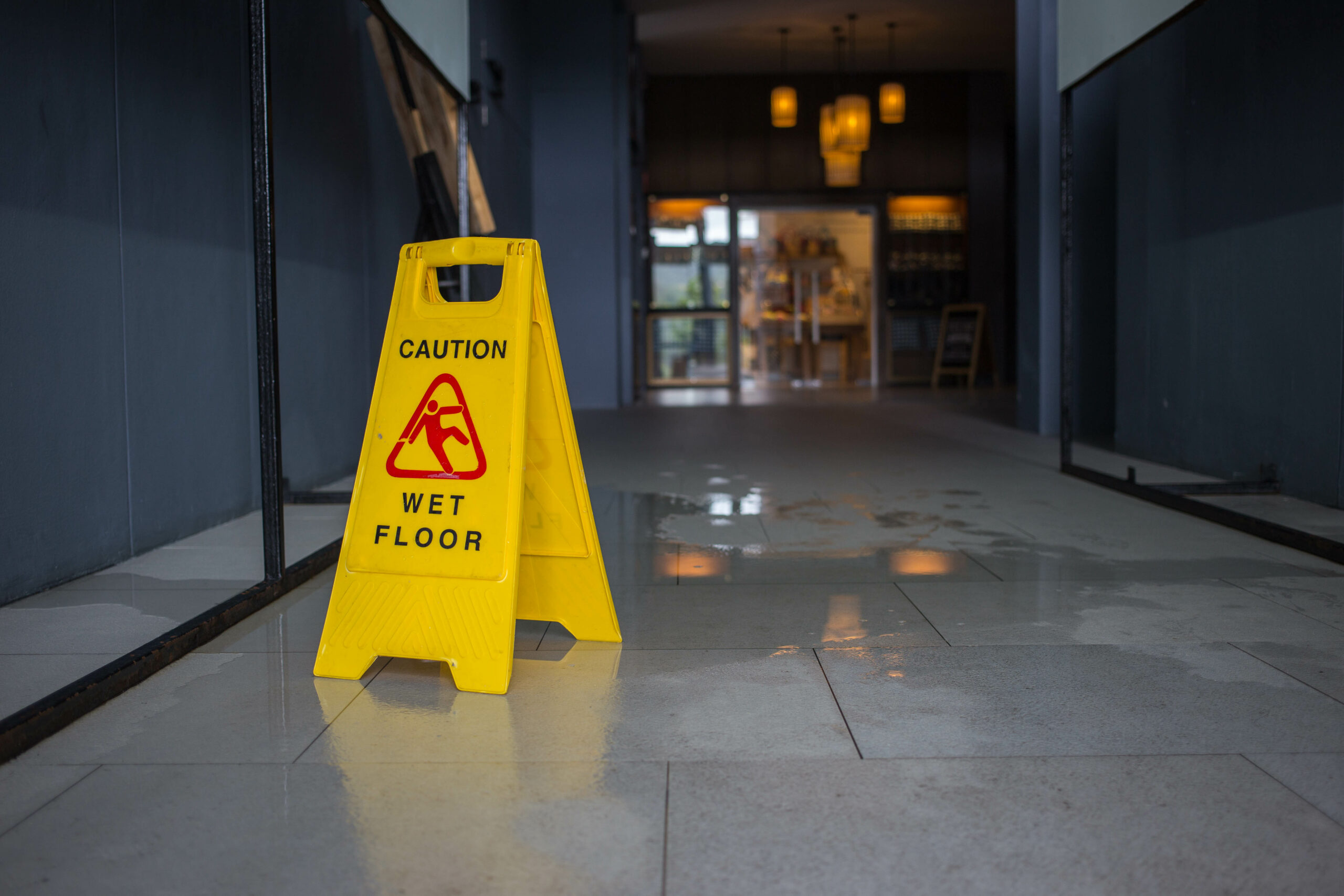
When you are injured on someone else’s property, whether by a wet floor, a broken stair, or inadequate security, you may assume the property owner is automatically responsible. Florida law is not that simple. A premises liability claim requires you to prove specific things about what the owner knew and what they failed to do. Understanding that burden, and the evidence it takes to meet it, is the key to building a successful claim.
What Premises Liability Means in Florida
The Owner’s Duty of Care
Property owners and businesses have a duty to keep their premises reasonably safe and to warn visitors of hidden dangers they know about or should know about. The exact duty depends on why you were on the property and whether the hazard was foreseeable. An owner is not responsible for every injury that happens on their property, only for those caused by an unreasonable, preventable danger that they failed to address or warn about.
Visitor Categories
Florida law treats visitors differently based on their status. Invitees, such as customers in a store, are owed the highest duty of care, including reasonable inspection for hidden dangers. Licensees, such as social guests, are owed a duty to be warned of known hidden hazards. Trespassers are generally owed only a duty to avoid intentional harm, with limited exceptions. Your status shapes exactly what you must prove.
Common Types of Premises Liability Claims
Premises liability covers a wide range of situations, including slip-and-fall and trip-and-fall injuries, inadequate security that leads to an assault, falling merchandise in a store, dangerous stairways and railings, swimming pool accidents, poor lighting, and failure to maintain common areas in apartment complexes. While the details differ, each type comes back to the same core question: did the property owner fail to address a foreseeable danger they were responsible for?
What You Must Prove
The most common premises cases are slip-and-fall injuries from a spill or other hazard. Under Florida Statute 768.0755, if you slip and fall on a transitory foreign substance in a business, you must prove that the business had actual or constructive knowledge of the dangerous condition and should have fixed it. Constructive knowledge can be shown with circumstantial evidence, such as proof that the hazard existed long enough that the business should have found it through ordinary care, or that the condition happened regularly and was therefore foreseeable. Simply proving you fell is not enough, which is why these cases are harder to win than people expect.
Common Premises Liability Injuries
Injuries from dangerous property conditions range from minor to catastrophic. Common examples include broken bones, particularly wrists, hips, and ankles from a fall, traumatic brain injuries from striking the ground or a fixed object, spinal and back injuries, shoulder and knee damage, lacerations, and injuries from an assault in a case involving inadequate security. Falls are especially dangerous for older adults, where a broken hip can lead to long-term complications. Because these injuries can carry significant and ongoing medical costs, documenting the full scope of your treatment is essential to recovering fair compensation.
How Florida Fault and Deadlines Affect Your Claim
Florida follows a modified comparative negligence rule under Florida Statute 768.81. You can recover if you were partly at fault, with your recovery reduced by your share of the blame, but if you are found more than 50 percent at fault, you recover nothing. Property owners often argue that you were distracted, ignored a warning sign, or wore unsafe footwear, all to push your fault past that line. Florida also limits most negligence claims, including premises cases, to two years from the date of the injury for incidents occurring after the 2023 change in the law, so acting promptly is essential to protecting your claim.
Evidence That Builds a Strong Claim
Because you carry the burden of proof, evidence is everything. Security camera footage showing how long a hazard was present, incident reports, maintenance and cleaning records, photographs of the scene before it is altered, and witness statements can all establish that the owner knew or should have known about the danger. Much of this evidence is controlled by the property owner and can be lost or recorded over quickly, so securing it early through a preservation request often makes the difference between a winning claim and a denied one. Surveillance systems in many businesses overwrite footage within days or weeks, which means the single most important piece of evidence in your case can disappear before a claim is ever filed. Acting promptly also lets your attorney interview witnesses while their memory of the scene is fresh and document the condition before it is repaired, both of which strengthen the proof that the owner knew or should have known about the hazard.
How a Premises Liability Claim Moves Forward
A premises liability claim generally begins with an investigation into what happened and what the property owner knew. Your attorney gathers the incident report, requests surveillance footage and maintenance records before they can be lost, identifies witnesses, and documents your injuries and treatment. From there, a claim is usually presented to the property owner’s insurer, which will evaluate both liability and the value of your damages. Many claims resolve through negotiation, but if the insurer disputes fault or undervalues your injuries, filing a lawsuit may be necessary to reach a fair outcome. As with other injury claims, it is wise not to settle until the full extent of your injuries is known, since an early offer rarely reflects the cost of future care. Throughout the process, the burden remains on you to prove the owner’s knowledge and negligence, which is why early evidence preservation matters so much to the strength of your case.
What Not to Do After a Premises Injury
- Do not leave without reporting the incident and asking for a written incident report
- Do not skip photographing the hazard, the scene, and your injuries before anything is cleaned up
- Do not give a recorded statement to the property owner’s insurer before speaking with an attorney
- Do not delay medical treatment, since gaps in care are used to dispute your injuries
- Do not accept an early settlement before the full extent of your injuries is known
State-Specific Notes
The knowledge requirement and modified comparative negligence rule above are Florida rules. Milano Legal Group also serves Arizona, California, and Texas, each with its own premises, fault, and deadline rules. Claims against a government property owner in Florida are governed by separate rules under Florida Statute 768.28, including a written notice requirement and damage caps, so it is important to identify early whether a government entity owns or controls the property where you were hurt.
How Milano Legal Group Can Help
Premises cases are won on evidence and timing. We move quickly to preserve surveillance footage and maintenance records, establish what the owner knew, push back on unfair fault arguments, and handle the insurer so you can focus on recovery. Learn more on our premises liability page.
We work on a contingency basis, so there are no fees unless we win. Contact Milano Legal Group today at 855-545-1777 for a free, no-obligation case evaluation. Serving clients throughout Arizona, California, Florida, and Texas.