 Call Us Now
 e-Mail Us Now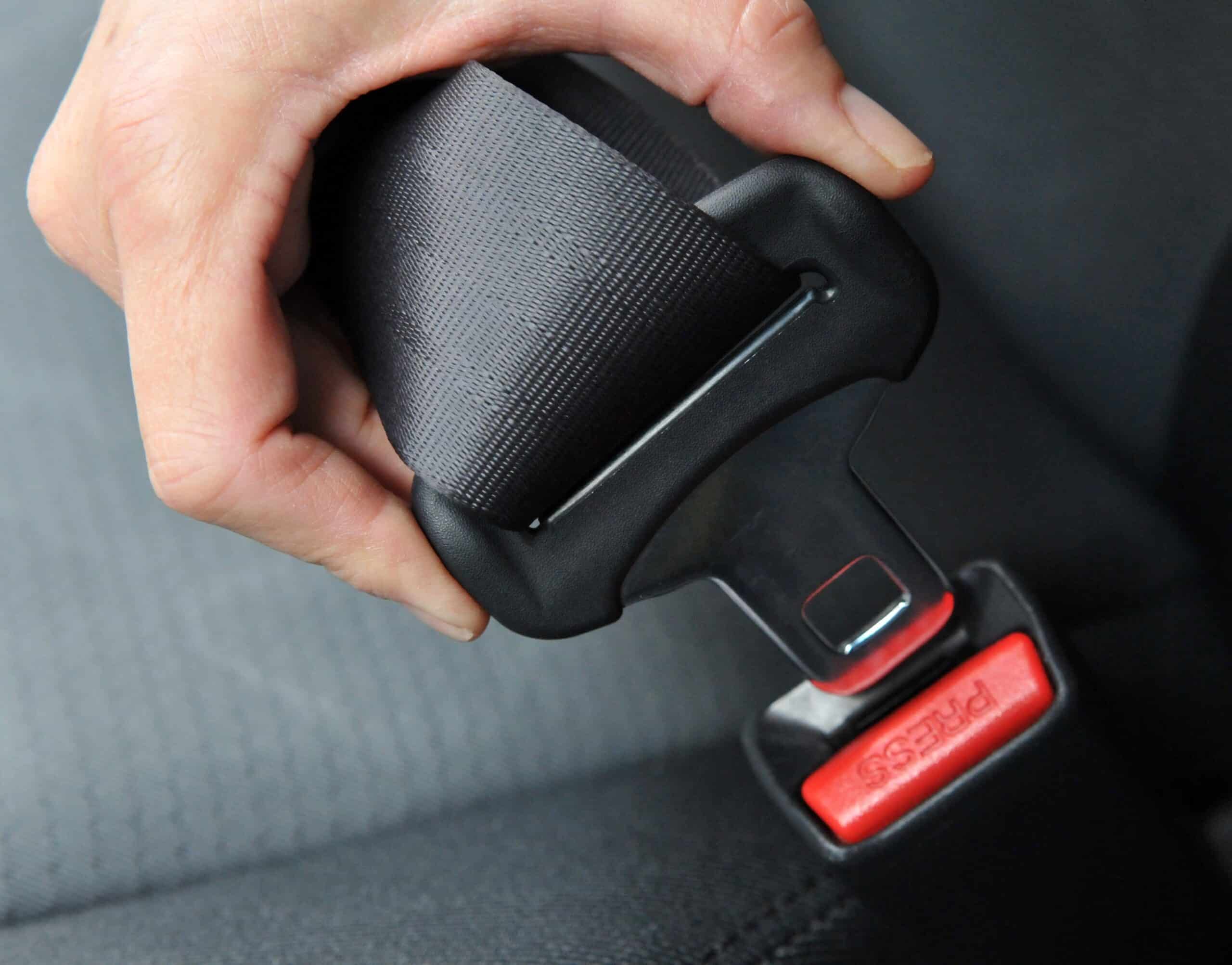
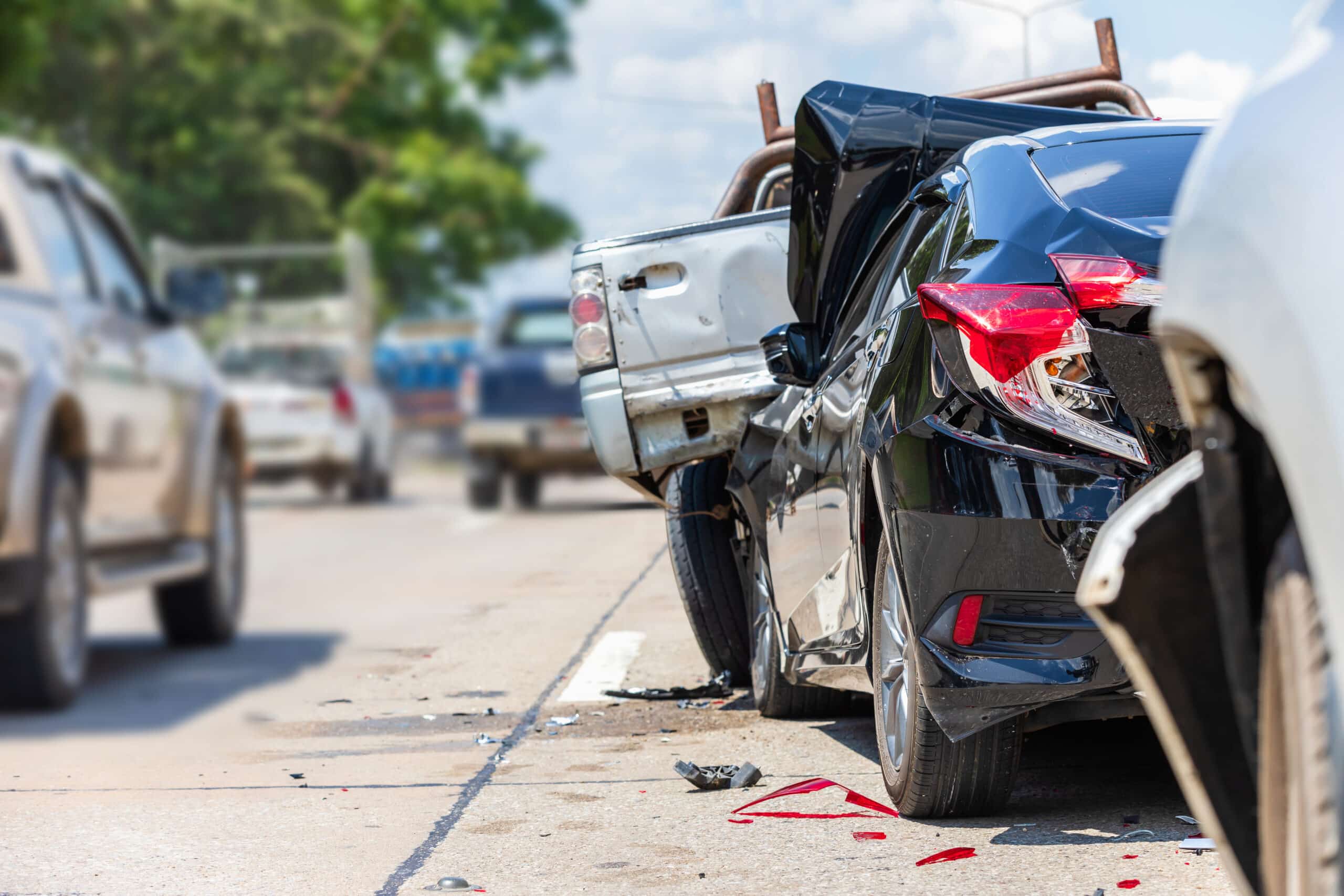
If you suffered injuries in a Florida car accident without wearing a seatbelt, you might ask whether it affects your compensation. It does—but it won’t automatically ruin your claim.
Under Florida law, not wearing a seatbelt can hurt your auto accident case, but it doesn’t automatically destroy your claim. Instead, it’s a factor that could reduce the amount of damages you recover.
Let’s break down how seatbelt use plays a role in Florida auto accident claims and what you should know if the defense tries to use it against you.
The Role of Seatbelt Use in Florida Car Accident Laws
Florida uses comparative negligence, which means that if you’re found partially at fault for your injuries, your compensation can be reduced by the percentage of your fault. One way a defendant can try to shift some of that fault onto you is by raising the seatbelt defense.
In landmark Florida cases like Insurance Co. of North America v. Pasakarnis, and Ridley v. Safety Kleen Corp., the courts recognized that a plaintiff’s failure to wear a seatbelt can be considered evidence of comparative negligence. However, it’s not automatic—there’s a burden of proof the defense must meet.
What the Defense Must Prove
To successfully reduce your damages due to lack of seatbelt use, the defendant must prove three things:
-
An available, operational seatbelt was not used
The defense must show that a seatbelt was present in the vehicle and functioning properly—and that you failed to wear it. -
Failure to use the seatbelt was unreasonable under the circumstances
Not every failure to wear a seatbelt is automatically unreasonable. The jury will evaluate whether your behavior was reasonable, given the situation. -
Causal link between the non-use of the seatbelt and your injuries
The defense must show that your injuries were made worse—or caused—because you didn’t wear a seatbelt. This typically requires expert testimony or medical evidence. Without a strong causal link, the seatbelt defense may not hold up.
This approach was reaffirmed in cases like Bulldog Leasing Co. v. Curtis.
Not Negligence Per Se
Importantly, not wearing a seatbelt in Florida is not considered negligence per se.
So, what is negligence per se?
Negligence per se is a legal doctrine that applies when someone violates a law designed to protect a certain class of people—and that violation directly causes harm to someone the law was meant to protect. If proven, negligence per se can automatically establish that the defendant was negligent, without requiring further proof that their actions were unreasonable.
For example, driving under the influence or running a red light would typically be considered negligence per se in a car accident case.
However, in Florida, failing to wear a seatbelt is not treated this way. Instead, it is just one factor a jury may consider when determining comparative fault. This means your damages can be reduced, but the defense must still prove that your failure to buckle up contributed to your injuries.
The jury ultimately decides:
-
Whether your failure to wear a seatbelt was reasonable
-
Whether that failure contributed to your injuries
-
What percentage of your damages (if any) should be reduced as a result
How to Protect Your Right to Compensation
If you were injured in a Florida crash without a seatbelt, don’t assume you have no case—you may still recover substantial compensation for:
-
Medical expenses
-
Lost wages
The key is to work with an experienced personal injury attorney who can challenge the seatbelt defense and present evidence showing that the at-fault party’s negligence—not your seatbelt use—was the true cause of your injuries.
Call Milano Legal Group for Help After a Car Accident
At Milano Legal Group Accident Attorneys, we know how insurance companies try to use the seatbelt defense to minimize payouts—and we know how to fight back. If you’ve been injured in a Florida car accident, contact us today for a free consultation. We’ll review your case, explain your rights, and help you pursue the maximum compensation you deserve—even if you weren’t wearing a seatbelt.