 Call Us Now
 e-Mail Us Now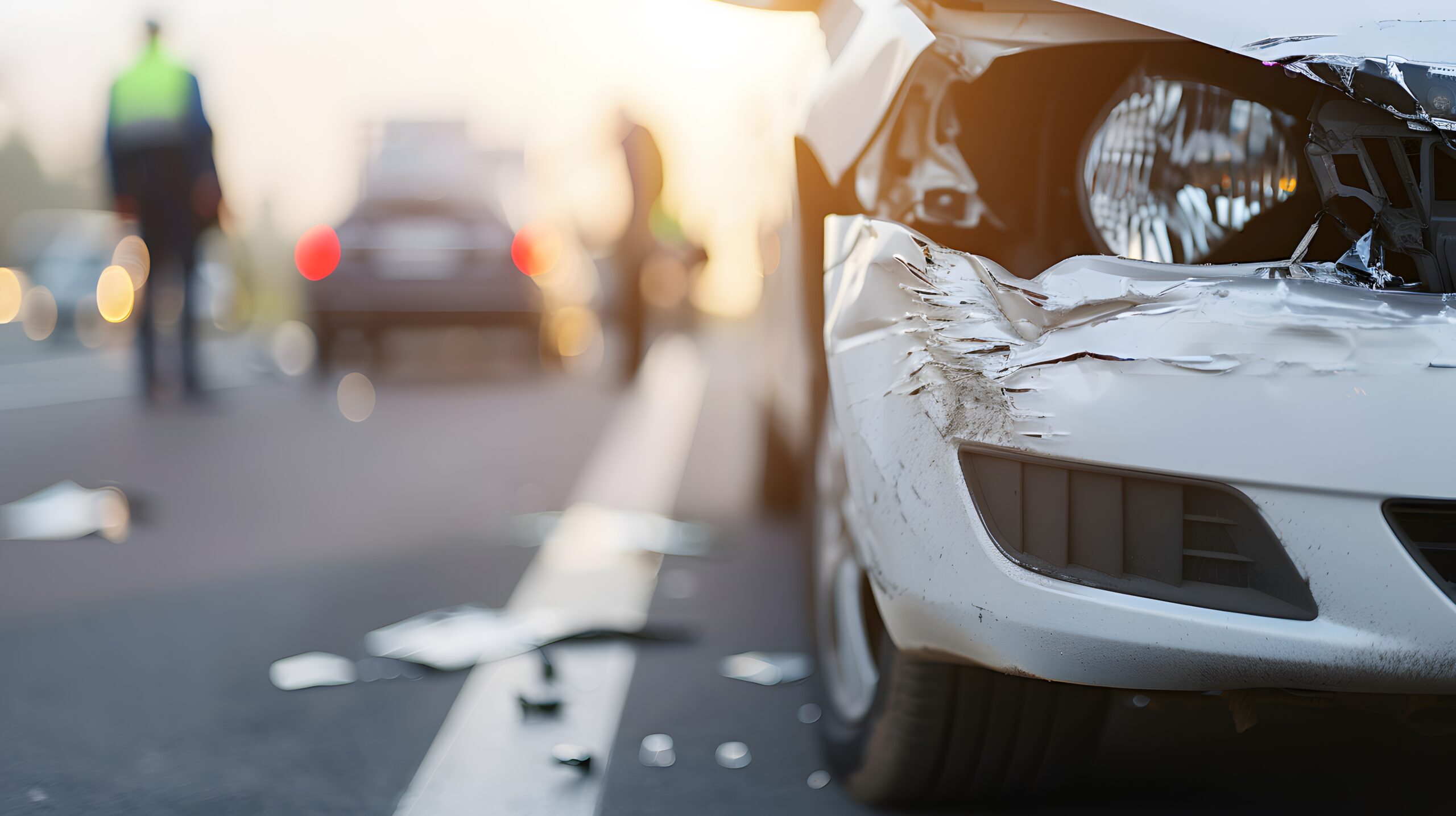
One moment you are dealing with a crash, and the next the other driver is speeding away, leaving you injured and unsure what to do. Hit-and-run accidents are alarmingly common in Los Angeles, and they leave victims feeling powerless. But fleeing the scene does not leave you without options. With the right steps and the right coverage, you can often still recover for your injuries, even if the driver is never found.
This guide walks through what to do immediately after a hit-and-run in Los Angeles, how the law treats the driver who fled, how your own insurance can step in, and the deadline that controls your claim.
The Driver Who Fled Broke the Law
California law requires drivers involved in a crash to stop. Under California Vehicle Code 20001, a driver involved in an accident that injures or kills another person must immediately stop at the scene, provide identifying information, and render reasonable assistance. Fleeing the scene of an injury crash is a serious crime. While a criminal case punishes the driver, it is separate from your civil claim for compensation, which can proceed regardless of whether the driver is caught or charged.
What to Do Immediately After a Hit-and-Run
Get to Safety and Call 911
Move out of traffic if you can, and call 911 right away. Report that the other driver fled, and give any details you remember. A prompt police report is important both for any investigation and for your insurance claim.
Gather Whatever Details You Can
Write down or record anything you noticed about the fleeing vehicle: the make, model, color, partial license plate, direction of travel, and any distinctive damage. Look for witnesses and get their contact information, and check whether nearby businesses, homes, or traffic signals may have camera footage. In a busy city, that footage can be the key to identifying the driver, but it is often overwritten within days.
Document the Scene and Your Injuries
Photograph the damage to your vehicle, the surrounding area, and any visible injuries. Seek medical attention the same day, because adrenaline can mask serious harm and prompt treatment ties your injuries to the crash.
How You Can Still Recover Compensation
When the at-fault driver cannot be found, your own uninsured motorist coverage often becomes the primary path to recovery. Under California Insurance Code 11580.2, uninsured motorist coverage generally treats an unidentified hit-and-run driver as an uninsured motorist, allowing you to claim for your bodily injuries under your own policy. If the driver is later identified and has insurance, a claim against them may be possible instead. Reviewing your policy early is important, because uninsured motorist claims often come with specific notice and reporting requirements.
Why These Claims Can Be Challenging
Even though you are claiming under your own policy, your insurer is financially adverse to you in a hit-and-run claim. It may question whether a phantom vehicle really existed, dispute your account, or argue your injuries are less serious than they are. Some policies also require you to report the hit-and-run within a set time and may demand independent corroboration. Handling these requirements correctly from the start protects your claim.
Why Drivers Flee, and Why It Does Not Change Your Rights
Drivers leave the scene for many reasons: they are uninsured, driving under the influence, driving without a valid license, in a stolen vehicle, or simply panicked. None of those reasons reduce your right to recover. Whether or not the driver is ever identified or criminally charged, your civil claim for your injuries stands on its own. In fact, the very reasons a driver flees, such as being uninsured, are often why your own uninsured motorist coverage becomes the practical path to compensation. It can feel unfair that the person who caused your injuries escapes while you turn to your own policy, but that coverage exists for exactly this situation, and using it does not mean you did anything wrong.
How a Hit-and-Run Driver May Be Identified
Fleeing does not always mean getting away. Police and investigators use a range of tools to track down hit-and-run drivers, including surveillance and traffic-camera footage, witness descriptions, partial license plate information, debris and paint transfer left at the scene, and tips from the public. Body-shop and repair records can also surface a vehicle with matching damage. Because much of this evidence, especially video, is lost within days, moving quickly to preserve it gives investigators the best chance of finding the driver, and gives you the strongest possible claim if they do. Even a single clear detail, such as a partial plate combined with a vehicle color and the direction of travel, can be enough for police to locate a matching vehicle, so no observation you can share is too small to matter.
In the Days After the Crash
The hours right after a hit-and-run are critical, but the days that follow matter too. Report the crash to your own insurer promptly, since uninsured motorist claims often carry short reporting requirements. Follow through on all recommended medical care, and keep every record, bill, and receipt connected to the crash. Write down everything you remember while it is fresh, including the direction the driver fled and anything a witness said. If police continue investigating, stay in contact, because a vehicle identified even weeks later can open a claim against the at-fault driver directly. Staying organized in this period gives your claim its best footing, whether recovery ultimately comes through your own coverage or the driver who fled. It also helps your attorney move quickly to send preservation letters to nearby businesses before their camera footage is erased.
What Not to Do After a Hit-and-Run
- Do not chase the fleeing driver, which is dangerous and can put you at further risk
- Do not delay reporting the crash to police and your insurer, since deadlines and corroboration matter
- Do not skip medical care, because a treatment gap undermines your injury claim
- Do not give a recorded statement to any insurer before speaking with an attorney
- Do not assume nothing can be done just because the driver got away
State-Specific Notes
The duty-to-stop law and uninsured motorist rules above are California rules, and California generally gives you two years from the date of the crash to file an injury lawsuit. Milano Legal Group also serves Arizona, Florida, and Texas, each with its own hit-and-run and uninsured motorist rules and deadlines. Because uninsured motorist coverage is where many hit-and-run victims actually recover, understanding your specific policy is essential no matter which state you are in.
How Milano Legal Group Can Help
A hit-and-run leaves you with questions and few answers, but you do not have to sort it out alone. We help identify the fleeing driver where possible, secure camera footage and witness accounts before they disappear, review your policy for every available coverage, and handle your insurer so you are not fighting your claim by yourself. Learn how we handle local crashes on our Los Angeles car accident lawyer page, and see our work with vulnerable road users on our pedestrian accidents page.
We work on a contingency basis, so there are no fees unless we win. Call Milano Legal Group today at 855-545-1777 for a free, no-obligation case evaluation. Serving clients throughout Arizona, California, Florida, and Texas.