 Call Us Now
 e-Mail Us Now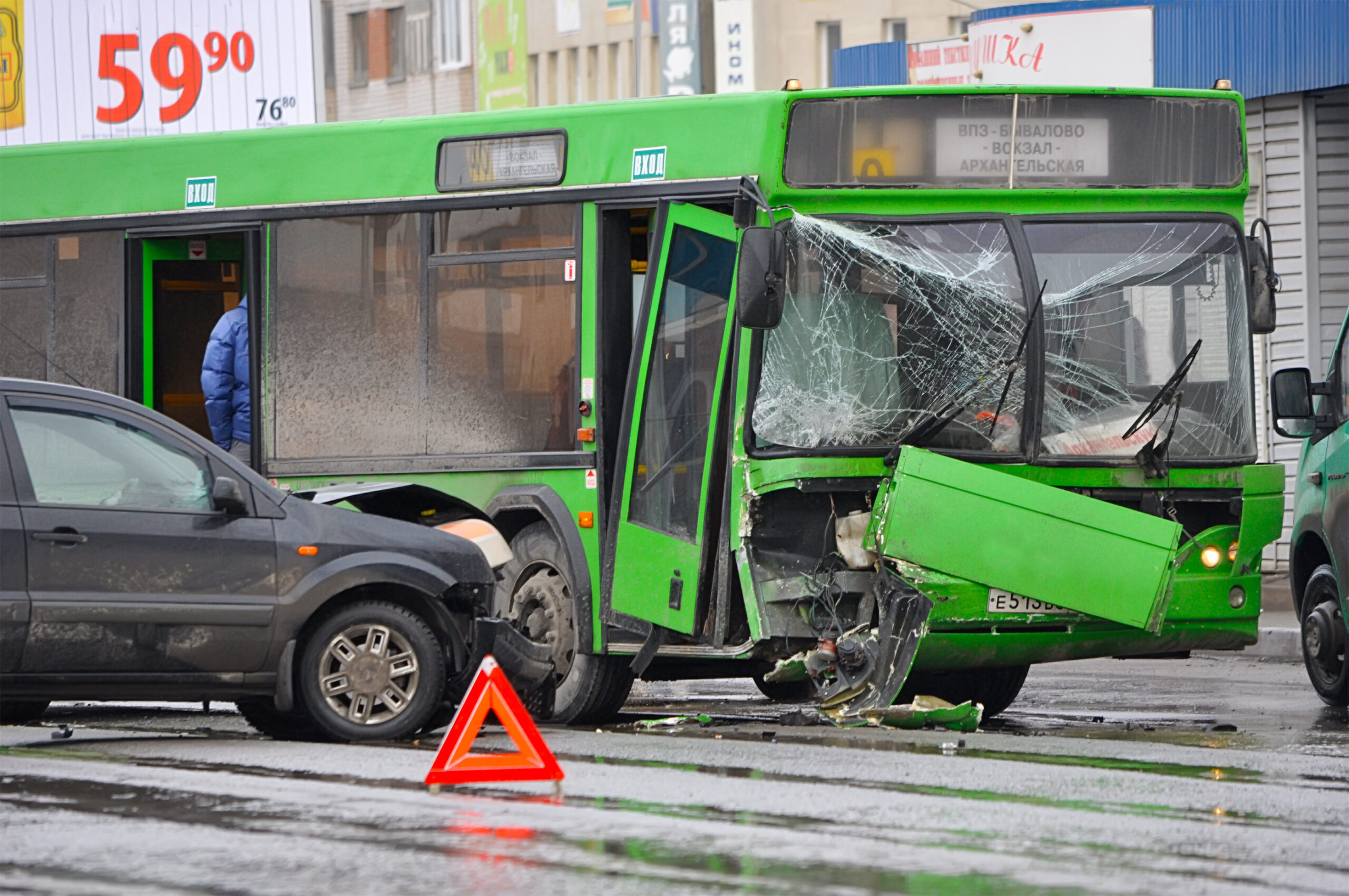
A bus carries dozens of passengers who have no seatbelts, no airbags, and no control over how the vehicle is driven or maintained. When a bus crashes in Houston, the injuries can be severe and the question of who is responsible is rarely simple. Unlike a two-car fender bender, a bus accident can involve a government agency, a private company, multiple insurers, and strict legal deadlines that are shorter than you might expect. Understanding who may be liable is the first step toward protecting your right to compensation.
Houston relies on a dense network of city transit buses, school buses, charter and tour buses, and private shuttles moving through heavy traffic every day. According to the Texas Department of Transportation, buses are involved in thousands of crashes across the state each year. This guide explains the parties who may be at fault and how a claim works.
Why Bus Accident Claims Are Different
Bus cases stand apart from ordinary car accidents for a few reasons. Buses are large and heavy, so a collision often produces catastrophic injuries. Buses also carry many passengers at once, which means a single crash can generate numerous claims competing for the same insurance coverage. And because many buses are operated by public agencies or regulated companies, the rules that govern your claim, including who you sue and how quickly you must act, are more complicated than in a typical crash.
Who May Be Liable in a Houston Bus Accident
The Bus Driver
If the driver was speeding, distracted, fatigued, impaired, or otherwise negligent, they may bear responsibility for the crash. Bus drivers are held to a high standard of care because they are entrusted with the safety of their passengers and everyone around the vehicle.
The Bus Company or Government Agency
The company or agency that owns and operates the bus can be liable for the actions of its driver, and also for its own failures, such as negligent hiring, inadequate training, poor supervision, or skipping required maintenance. When the bus is run by a public entity, special rules and shorter deadlines apply, which we cover below.
A Maintenance Provider or Manufacturer
If a mechanical failure caused the crash, the company responsible for maintaining the bus may share fault. If a defective part, such as failed brakes or a blown tire, contributed, the manufacturer of that part could be liable under product liability principles.
Another Driver
Sometimes a bus crash is caused by a third party, such as a passenger vehicle that cut off the bus or ran a light. In that case, the other driver, and their insurer, may be the primary source of recovery.
Federal and State Safety Rules
Many buses are commercial motor vehicles subject to federal safety regulations enforced by the Federal Motor Carrier Safety Administration. These rules cover driver qualifications, drug and alcohol testing, vehicle inspection and maintenance, and limits on how long a driver may operate. The FMCSA Hours of Service rules, for example, restrict driving time to prevent fatigue. A documented violation of these rules can be strong evidence of negligence and often points to the operating company, not just the driver.
How Texas Law Affects Your Claim
Texas generally gives you two years from the date of the crash to file a personal injury lawsuit. Texas also follows a modified comparative fault rule known as proportionate responsibility, which means you can recover if you were 50 percent or less at fault, with your recovery reduced by your share of the blame, but you recover nothing at 51 percent or more. When a public entity such as a city transit authority is involved, you may be required to give formal written notice of your claim within a much shorter period, sometimes just a few months, and damages against government entities can be capped. Missing an early notice deadline can end a valid claim before it begins.
What to Do After a Bus Accident
If you are able, report the crash and get a police or incident report. Seek medical attention the same day, since serious injuries can take time to appear. Photograph the scene, the bus, and your injuries, note the bus number and route, and collect the names and contact information of other passengers and witnesses. Then speak with an attorney before giving a statement to any insurer, because early statements can be used to reduce your recovery.
Common Injuries in Bus Accidents
Because passengers are unrestrained and a bus is so large, bus crashes often produce serious injuries. These include traumatic brain injuries and concussions, spinal cord damage, broken bones, internal injuries, and lacerations from shattered glass or being thrown against hard surfaces. Passengers standing at the moment of impact, common on crowded transit buses, are especially vulnerable. Injuries like these can require surgery, extended rehabilitation, and time away from work, and their full extent is not always clear in the first days, which is one more reason to seek prompt medical care and document everything.
Compensation Available to Bus Accident Victims
If someone else’s negligence caused your injuries, you may be entitled to recover the full range of your losses. That typically includes past and future medical expenses, lost wages and any reduction in your ability to earn, the cost of rehabilitation and assistive care, and non-economic damages such as pain and suffering, emotional distress, and loss of enjoyment of life. When multiple passengers are hurt in the same crash, they may be competing for the same insurance coverage, which is one reason acting promptly and documenting your claim thoroughly can make a real difference in what you ultimately recover.
What Not to Do After a Bus Accident
- Do not give a recorded statement to the bus company’s or agency’s insurer before speaking with an attorney
- Do not accept a quick settlement, which is often offered early because many passengers are competing for limited coverage
- Do not assume a government operator will treat you fairly, since its goal is to limit what it pays
- Do not wait to act, because notice deadlines against public entities can be very short
- Do not post about the crash or your injuries on social media
State-Specific Notes
The two-year deadline, proportionate responsibility rule, and government notice requirements above are Texas rules. Milano Legal Group also serves Arizona, California, and Florida, each of which sets its own deadlines and fault rules, and each imposes short notice requirements for claims against public transit agencies. Identifying early whether a government entity operated the bus is essential, because it changes both the deadline and the process.
How Milano Legal Group Can Help
Bus accident claims move fast and involve powerful institutions, so early action matters. We identify every party who may share liability, preserve the evidence before it disappears, handle the notice requirements that apply to public entities, and deal with the insurers so you can focus on recovery. Learn more about how we handle serious vehicle cases on our Houston car accident lawyers page, and see our approach to large commercial vehicle claims on our truck accidents page.
We work on a contingency basis, so there are no fees unless we win. Call Milano Legal Group today at 855-545-1777 for a free, no-obligation case evaluation. Serving clients throughout Arizona, California, Florida, and Texas.