Call Us Now
 e-Mail Us Now
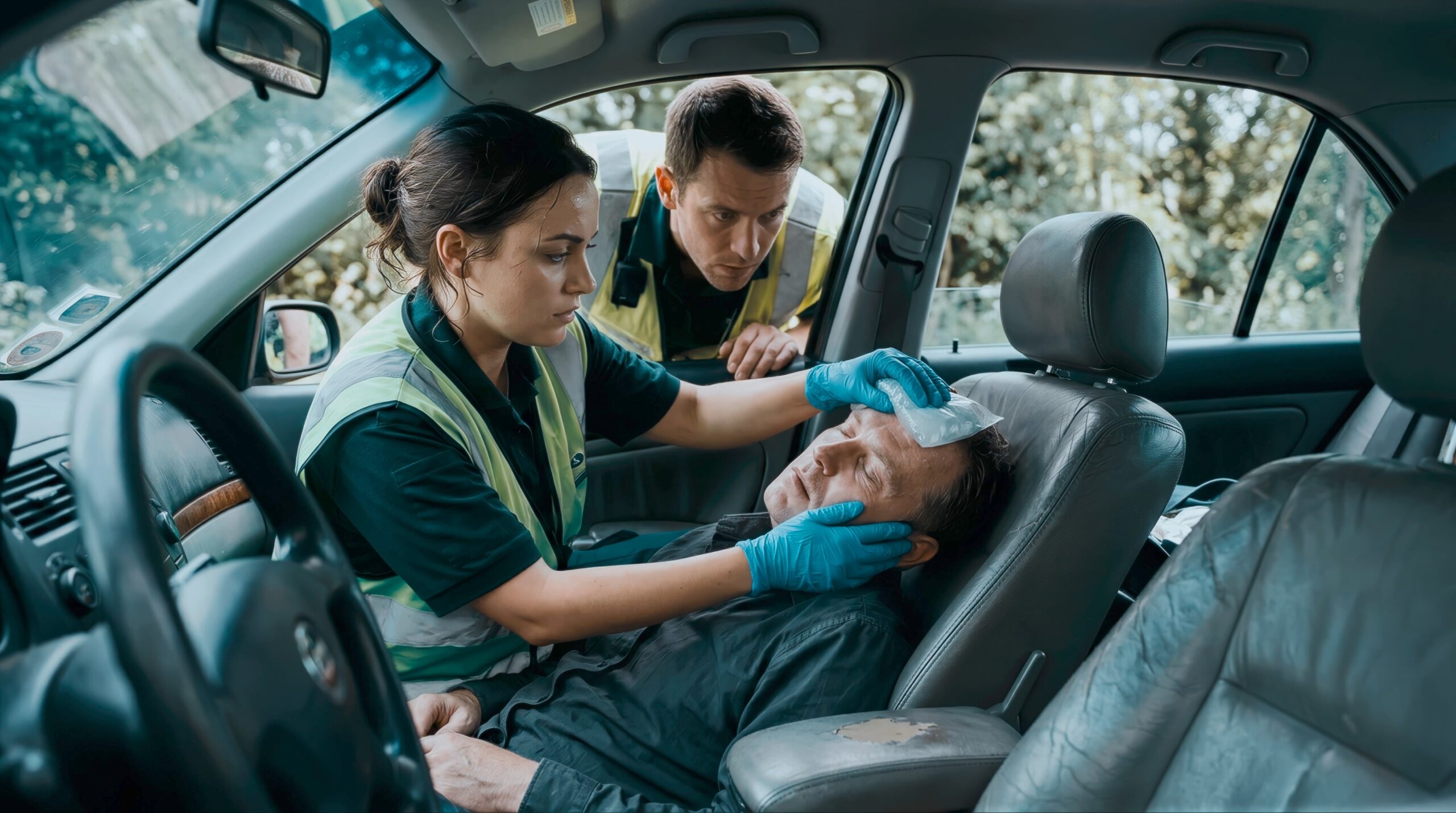
As a passenger, you have no control over how the car you are riding in is driven, so when a crash happens, it is almost never your fault. That should make your claim simple, but passengers often find themselves stuck in the middle, unsure which driver to pursue or whose insurance is supposed to pay. If you were hurt as a passenger in a Los Angeles car accident, understanding your rights helps you get the compensation you deserve without being caught between insurers.
This guide explains who may be responsible, how to handle a crash involving more than one driver, what to do if a driver is uninsured, and the deadline that controls your claim.
Passengers Are Rarely at Fault
In the vast majority of crashes, a passenger did nothing to cause the collision, which puts you in a strong position to recover. Your claim is generally against whichever driver, or drivers, was negligent. That could be the driver of the vehicle you were in, the driver of another vehicle, or both. Because California uses a pure comparative negligence system, fault can be divided among multiple parties, and as a blameless passenger you can typically pursue compensation from each at-fault driver’s insurance.
Whose Insurance Pays
When Your Driver Was at Fault
If the driver of the car you were riding in caused the crash, their liability insurance generally covers your injuries. This can feel awkward when the driver is a friend or family member, but you are claiming against their insurance policy, not their personal savings, which is exactly what the coverage exists for.
When Another Driver Was at Fault
If a different driver caused the crash, their insurance is typically responsible for your injuries. You are not limited to the vehicle you were in.
When Both Drivers Share Fault
When more than one driver was negligent, you may be able to pursue a claim against each of them, with each responsible for their share of fault. This can increase the total coverage available to you, though it also makes the claim more complex.
What If a Driver Is Uninsured
If an at-fault driver has no insurance or too little to cover your injuries, you may be able to turn to uninsured or underinsured motorist coverage. Under California Insurance Code 11580.2, uninsured motorist coverage protects insured people, which can include passengers, for injuries caused by an uninsured or hit-and-run driver. Coverage may be available through the vehicle you were in or, in some cases, through your own policy or a resident family member’s policy. Reviewing every potentially applicable policy is one of the most valuable steps in a passenger claim.
How to Protect Your Claim
If you are able, get a police report and seek medical attention the same day, because injuries can surface later. Photograph the scene and your injuries, collect the names, insurance details, and contact information of every driver involved, and get witness information. Avoid giving recorded statements or accepting quick settlements before you understand the full picture, since multiple insurers may be involved and each is working to limit what it pays.
Deadlines That Apply
In California, you generally have two years from the date of the crash to file a personal injury lawsuit under Code of Civil Procedure 335.1. If a government vehicle or agency was involved, you may have to file a formal claim within just six months, a much shorter window. Missing the applicable deadline can permanently end your right to recover, so it is important to act well before time runs out.
Compensation an Injured Passenger Can Recover
As an injured passenger, you can generally pursue the same categories of compensation as any injured person: past and future medical expenses, lost wages and reduced earning capacity, rehabilitation and future care, and non-economic damages such as pain and suffering, emotional distress, and loss of enjoyment of life. Because you are rarely assigned any fault, your recovery is usually not reduced the way an at-fault driver’s would be. The main challenge is not whether you can recover, but identifying every source of coverage and making sure the responsible insurers pay their fair share rather than shifting the cost onto you or each other.
What Makes Passenger Claims Complicated
The complexity in passenger cases comes from having multiple parties involved. When two drivers blame each other, each insurer may delay or point across the table while you wait for treatment to be paid. If you were riding with a friend or family member who was at fault, you may feel uncomfortable pursuing a claim, even though you are only claiming against their insurance. And when coverage is limited or a driver is uninsured, you may need to layer several policies together to be fully compensated. Handling these overlapping claims correctly is what turns your blameless position into a full recovery rather than a frustrating standoff.
What to Do at the Scene as a Passenger
As a passenger, you are in a good position to gather the information your claim will need, since you are not responsible for moving vehicles or exchanging insurance as a driver. If you are able, make sure the police are called and a report is made, and get the names, contact details, and insurance information for every driver involved, not just the one whose car you were in. Photograph the vehicles, the scene, and your injuries, and collect witness information. Seek medical care the same day even if you feel only shaken, and avoid discussing fault or giving statements to insurers until you have spoken with an attorney. Keeping a simple record of your symptoms and treatment in the days that follow will also strengthen your claim.
What Not to Do as an Injured Passenger
- Do not hesitate to claim against a friend or family member’s insurance, since that is what the coverage is for
- Do not give a recorded statement to any insurer before speaking with an attorney
- Do not accept an early settlement before the full extent of your injuries is known
- Do not assume only one driver’s insurance applies, since multiple policies may be available
- Do not wait to act, because government claims can carry a six-month deadline
State-Specific Notes
The pure comparative negligence rule, uninsured motorist protections, and deadlines above are California rules. Milano Legal Group also serves Arizona, Florida, and Texas, each with its own fault rules, coverage requirements, and deadlines. The six-month government claim deadline in California is especially short, so if a public vehicle was involved in your crash, it is critical to act quickly.
How Milano Legal Group Can Help
Passenger claims can involve several drivers and insurers all pointing at each other, which is exactly where an injured passenger can get lost. We identify every at-fault party and every available policy, handle the competing insurers, and make sure your blameless position translates into full compensation. Learn how we handle local crashes on our Los Angeles car accident lawyer page, and see our work with rideshare passengers on our Uber and Lyft accidents page.
We work on a contingency basis, so there are no fees unless we win. Call Milano Legal Group today at 855-545-1777 for a free, no-obligation case evaluation. Serving clients throughout Arizona, California, Florida, and Texas.