
 Call Us Now
 e-Mail Us Now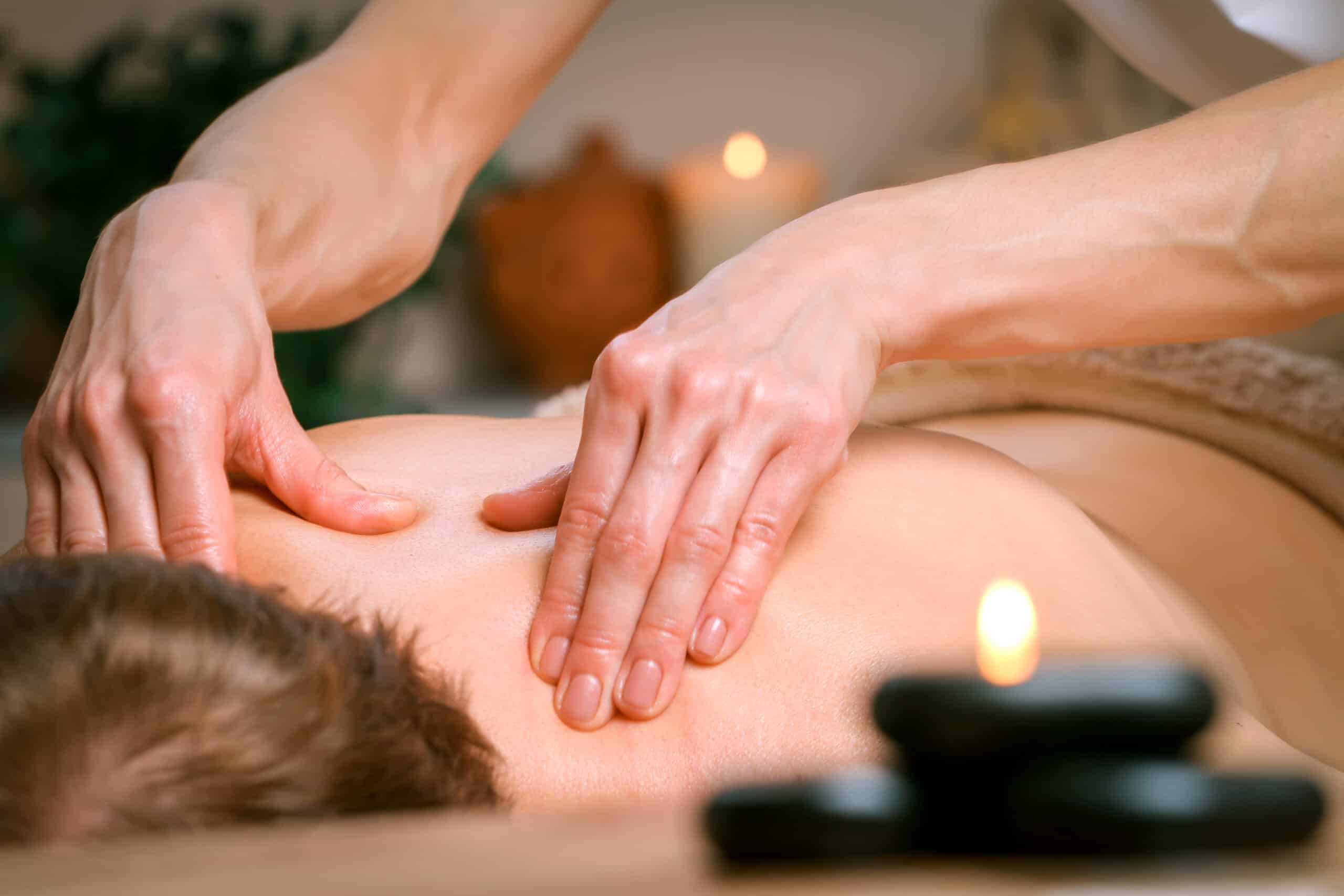
In auto accidents and other personal injury cases, many people seek alternative treatments to support their recovery, with holistic medicine being one popular option. However, a common question that arises is whether these types of treatments are covered in a personal injury settlement.
Insurance companies typically cover medical bills for traditional treatments like hospital visits or surgery, but they often challenge holistic medicine coverage. This post explores how holistic medicine affects personal injury claims and explains how you can include it in your settlement.
But first, let’s take a closer look at what holistic medicine actually is.
What is Holistic Medicine?
Holistic medicine is an approach to health and healing that considers the whole person—mind, body, and spirit—rather than just treating specific symptoms or diseases. It emphasizes the connection between physical health, emotional well-being, and spiritual balance. Holistic practitioners often use natural therapies, such as acupuncture, chiropractic care, massage therapy, herbal medicine, and nutrition, alongside conventional treatments to promote overall health and healing. The goal is to address the root cause of health issues and support the body’s ability to heal itself.
What are the Common Types of Holistic Medicine Used After an Accident?
After an accident, many people turn to holistic medicine to aid in their recovery, manage pain, and restore balance. Here are some common types of holistic treatments used:
Chiropractic Care
Chiropractors focus on spinal health and alignment. After an accident, chiropractic adjustments can help alleviate pain, improve mobility, and reduce inflammation, particularly for neck and back injuries like whiplash.
Massage Therapy
Massage can be used to relieve muscle tension, reduce pain, and promote relaxation. It’s often recommended after an accident to help with soft tissue injuries and improve circulation.
Acupuncture
Acupuncture involves inserting thin needles into specific points of the body to stimulate healing and relieve pain. It’s commonly used for pain management, muscle recovery, and reducing inflammation after an injury.
Herbal Medicine
Natural remedies, like turmeric, arnica, or ginger, may be used to reduce inflammation, relieve pain, or speed up healing. These treatments are often taken in the form of teas, capsules, or topical creams.
Physical Therapy
While often considered more conventional, physical therapy has holistic elements. It focuses on restoring movement, flexibility, and strength after an accident and can include stretching, strengthening exercises, and movement techniques.
Nutrition and Dietary Support
A balanced, nutrient-rich diet plays a key role in healing after an accident. Holistic practitioners may recommend specific foods or supplements to reduce inflammation, boost immune function, and support recovery.
These holistic treatments can complement traditional medical care and help individuals recover both physically and emotionally after an accident. Always consult with a healthcare provider before pursuing any new treatments to ensure they are safe and appropriate for your specific injury.
Do Insurance Companies Compensate You for Holistic Medical Treatment?
Legal Standards for “Reasonable and Necessary” Treatment
The answer to this question will depend on several factors. The likelihood of an insurance company compensating you for holistic medical treatment will depend on whether the charges incurred were “reasonable and necessary.” Insurance companies know that courts determine the reasonableness and necessity of medical care, including alternative medical treatments, by evaluating whether the charges incurred were reasonable and necessary. This can be established through thorough medical records, affidavits, and expert testimony.
In cases involving alternative medical treatments, the courts also look at whether the treatment chosen by the physician aligns with what a reasonable and prudent member of the medical profession would undertake under similar circumstances.
Treatment by a licensed medical professional where the treatment and progress are well documented makes a stronger case for that type of treatment.
Chiropractic care, physical therapy, and acupuncture can be part of a holistic plan to treat injuries and may be considered reasonable and necessary. In fact, chiropractic care and physical therapy are very common methods for treating soft tissue injuries and there is substantial evidence that shows the benefits of these types of treatment.
In many cases, massage therapy can as well, but it will depend on the details of the type of massage therapy that is being done. Who prescribed it? Who is performing it? How long are the sessions? If it was prescribed by a medical doctor or other licensed medical professional and it’s performed by a licensed massage therapist, and is thoroughly documented, it should meet the reasonable and necessary standard.
Dealing with Insurance Company Resistance
Now, practically speaking when dealing with the insurance company, you may run into issues with them wanting to pay for this type of treatment. Here I’d say you need a lawyer involved to help strengthen your case. It’s actually quite common for insurance companies to push back on paying for alternative medical treatments. Don’t make the mistake of handling these issues on your own.
Holistic Medicine in Personal Injury Cases: Insights from Prior Court Decisions
Below are some court rulings on proving the reasonableness and necessity of holistic medical treatment in injury cases:
In the case of State Office of Risk Mgmt. v. Edmondson, the appeals court found credible evidence supporting the trial court’s findings that the acupuncture, physical therapy, and pain management treatments were reasonable and necessary. The State Office of Risk Management’s reliance on a subsequent medical peer review to dispute these treatments was not sufficient to overturn the trial court’s judgment.
In Reese v. Spencer Pest Control, the court reversed and remanded the decision of the compensation claims judge (JCC) who denied the claimant’s claim for workers’ compensation benefits, including massage therapy. The court found that the JCC’s conclusion that the claimant’s primary problems were emotional and that massage therapy would not help was not supported by competent substantial evidence. The unrefuted medical testimony indicated that the claimant suffered from physical symptoms such as muscle spasm, stiffening, and loss of flexibility due to a compensable injury, and that massage therapy would be beneficial.
In Accurate Reporters v. Moore, Florida’s First District Court of Appeal affirmed the award of massage therapy as supported by competent substantial evidence. The court found that the testimony of a chiropractor provided sufficient support for the necessity of massage therapy for the claimant’s condition, which was exacerbated by a pre-existing problem due to an industrial accident.
In Albertson’s, Inc. v. Brady, a Florida court held that the plaintiff failed to establish the reasonableness and necessity of medical bills, including those for massage therapy, as the plaintiff’s testimony did not adequately associate each medical bill with injuries resulting from the accident. The court emphasized that medical bill amounts alone don’t prove reasonableness and necessity.
In Roman v. Sos, 393 So. 3d 1263, the court found sufficient evidence for the negligence claim, including necessary medical treatment damages. Plaintiff and doctor testimony with medical bills proved massage therapy was necessary.
In Walerowicz v. Armand-Hosang, a Florida court held that plaintiff and surgeon testimony, plus medical bills, sufficiently proved the reasonableness and necessity of medical expenses, including massage therapy. The court noted expert testimony isn’t required—lay testimony may suffice.
In Torr v. United Railroads of San Francisco, the California Supreme Court reversed the superior court’s judgment, which had found that the passenger did not suffer a loss in earning capacity due to her injuries. The court ruled the passenger deserved compensation for medical expenses, including necessary massage treatments for recovery.
Contact Our Experienced Personal Injury Lawyers to Handle Your Case
If you’ve been injured by someone else’s negligence, your path to recovery may not always follow a traditional route. Many accident victims find alternative treatments like chiropractic care, acupuncture, or physical therapy provide significant relief. These methods often help when conventional treatments fall short. When pursuing compensation, you must prove these treatments are necessary and accident-related.
We understand how alternative medical therapies can play a crucial role in your recovery. Our experienced team helps you document and prove your treatment’s value. We ensure you receive the compensation you deserve. Have questions about presenting your case? Reach out for a FREE consultation.