Call Us Now
 e-Mail Us Now
A pedestrian struck by a vehicle has no protection at all, so even a low-speed impact can cause serious injuries. Los Angeles is one of the most dangerous cities in the country for people on foot, with wide, fast arterial streets, heavy traffic, and crowded intersections that leave little room for error. If you were hit by a car while walking in Los Angeles, you may be facing significant medical bills and a long recovery through no fault of your own. The good news is that California law strongly protects pedestrians, and understanding your rights helps you stand up to an insurance company that wants to pay as little as possible.
California Law Protects Pedestrians
The Driver’s Duty to Yield
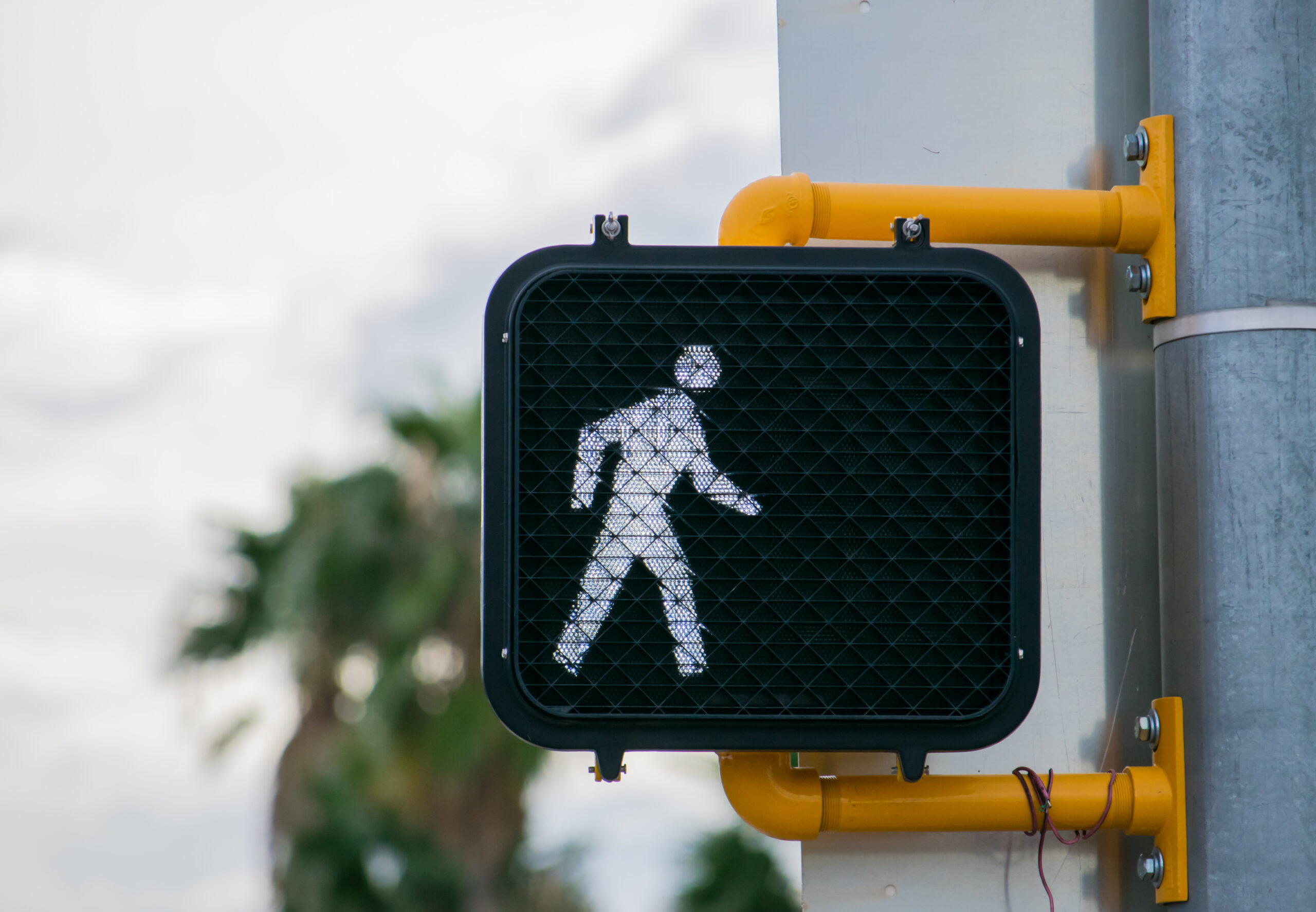
Under California Vehicle Code 21950, a driver must yield the right-of-way to a pedestrian crossing the roadway within any marked or unmarked crosswalk at an intersection. Drivers must also slow down and use all due care to protect pedestrians, even those who are crossing where they technically should not. When a driver hits someone lawfully in a crosswalk, that driver has almost certainly broken this law, which is strong evidence of negligence.
Pedestrian Responsibilities
Pedestrians have duties too. Under California Vehicle Code 21954, a person crossing outside a marked crosswalk or an unmarked crosswalk at an intersection must yield to vehicles on the roadway. A pedestrian also may not suddenly leave a curb into the path of a car that is too close to stop. These duties matter, because they feed directly into how fault is divided after a crash.
Common Causes of Los Angeles Pedestrian Accidents
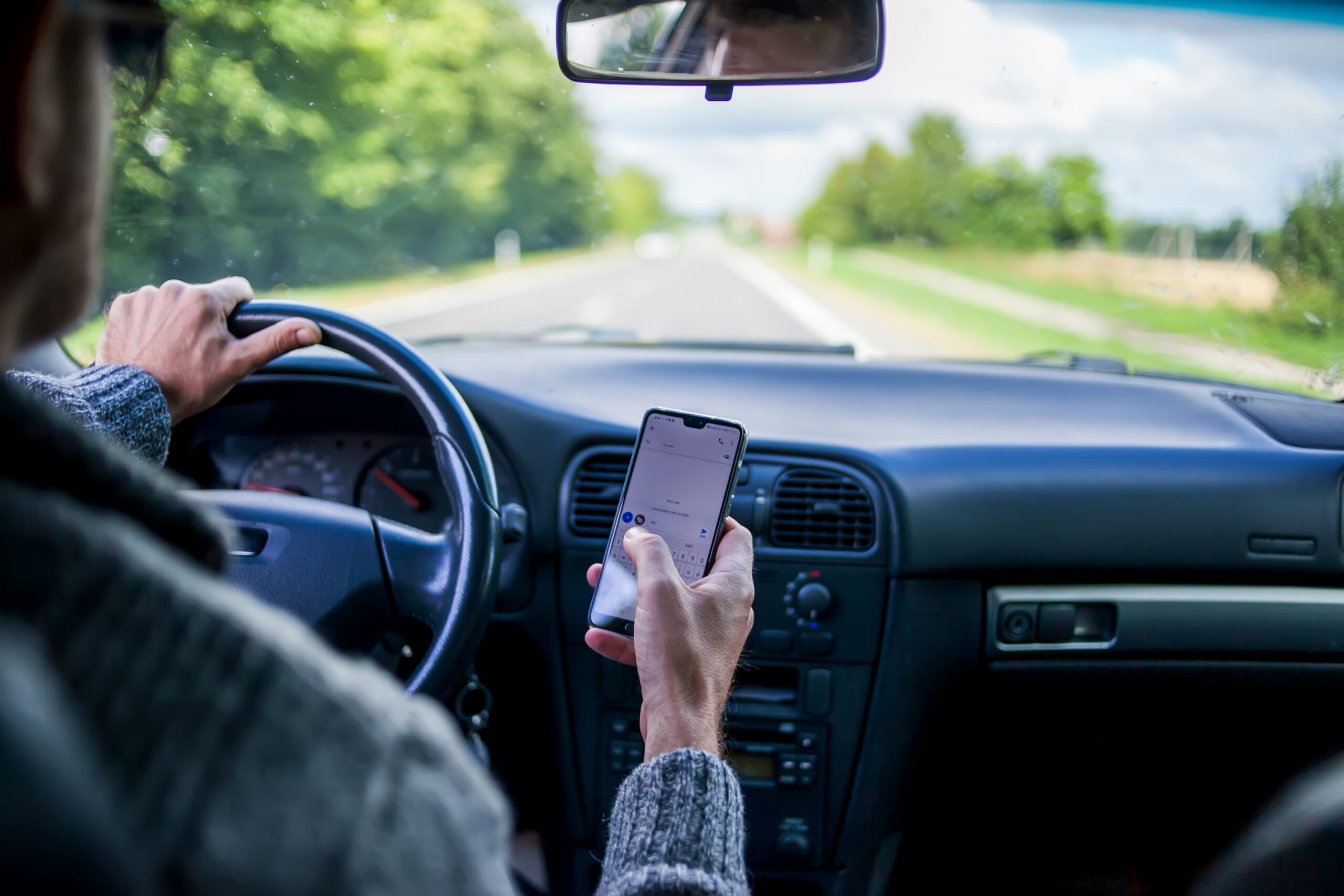
Most pedestrian crashes happen because a driver was not paying attention or failed to yield. In Los Angeles, common causes include drivers making turns without checking the crosswalk, distracted driving such as texting or using navigation, failing to stop at signals or stop signs, speeding through busy corridors, sudden stops and pickups by rideshare and delivery vehicles, and poor visibility at night or during the evening commute. Intersections, parking lots, and the city’s long, multi-lane boulevards are especially dangerous, and establishing exactly how the crash happened is central to proving the driver was at fault.
Who Is Liable and How Fault Is Shared
California follows a pure comparative negligence rule. This means you can recover damages even if you were partly at fault, with your recovery reduced by your percentage of fault. A pedestrian found 20 percent at fault for a 500,000 dollar injury still recovers 400,000 dollars. There is no threshold that bars recovery, which is why insurers work hard to assign as much blame to the pedestrian as possible, often claiming you were jaywalking or distracted. Pushing back on that percentage is frequently the heart of a pedestrian case.
What to Do After Being Hit
If you are able, call 911 and wait for police to document the scene. Seek medical attention the same day, because pedestrian impacts often cause internal or head injuries that are not immediately obvious. Photograph the scene, the vehicle, and your injuries, and collect the driver’s information and the names of any witnesses. Avoid discussing fault at the scene, and speak with an attorney before giving any statement to the driver’s insurer.
Common Pedestrian Accident Injuries
When a vehicle strikes a person on foot, the body absorbs the full force of the impact, often twice, once from the vehicle and again from the ground. Common injuries include traumatic brain injuries, spinal cord damage, pelvic and leg fractures, internal injuries, and severe soft tissue damage. Many of these are catastrophic and carry lifelong consequences, which is why pedestrian cases so often involve substantial future medical costs and lost earning capacity.
Why You Should Not Rely on the Driver’s Insurer
After a pedestrian crash, the at-fault driver’s insurance company may contact you quickly and sound helpful, perhaps offering to cover your medical bills or sending a settlement check within days. It is important to understand that this insurer is not working for you. Its goal is to close your claim for as little as possible, often before you know the full extent of your injuries. An early check may seem generous but rarely accounts for future treatment, lost income, or the lasting effects of a serious injury, and accepting it usually means signing away your right to seek anything more. A recorded statement taken in those early days can also be used later to argue that you were partly to blame. Politely declining to settle or give a statement until you have spoken with your own attorney keeps the decision, and the leverage, in your hands.
Compensation You Can Pursue
Depending on your injuries, you may be able to recover emergency and ongoing medical costs, future care, lost wages and reduced earning capacity, and non-economic damages such as pain and suffering, emotional distress, and loss of enjoyment of life. In severe cases involving permanent disability, disfigurement, or traumatic brain injury, the non-economic damages can be substantial, and they are often the portion an insurer most wants to minimize. If a loved one died from their injuries, surviving family members may also pursue a wrongful death claim for their losses, which is subject to its own rules and deadlines.
Deadlines That Apply
In California, you generally have two years from the date of the accident to file a personal injury lawsuit, under Code of Civil Procedure section 335.1. If a government entity may be responsible, such as a dangerously designed crosswalk or a City of Los Angeles vehicle, you must usually file a formal claim within six months, a far shorter window. Missing either deadline can permanently end your right to recover, so it is important to act well before time runs out.
What Not to Do After a Pedestrian Accident
- Do not leave the scene before police arrive and document the crash
- Do not downplay your injuries or tell anyone you are “fine” before being examined
- Do not give a recorded statement to the driver’s insurer before speaking with an attorney
- Do not accept an early settlement before the full extent of your injuries is clear
- Do not post about the accident or your recovery on social media
State-Specific Notes
California’s pure comparative negligence rule is more favorable than the modified rules used in some states, where being more than half at fault bars recovery. Milano Legal Group also serves Arizona, Florida, and Texas, each with its own pedestrian, fault, and deadline rules. The six-month government claim deadline in California is especially short, so if a public agency may share blame for a dangerous Los Angeles crossing or roadway, it is critical to act quickly.
How Milano Legal Group Can Help
We help injured pedestrians in Los Angeles gather the evidence that proves a driver was at fault, fight back against efforts to shift blame, calculate the full value of current and future losses, and handle the insurance company so you can focus on recovery. Learn how we handle local vehicle cases on our Los Angeles car accident lawyer page, and see more about this practice area on our pedestrian accidents page.
We work on a contingency basis, so there are no fees unless we win. Call Milano Legal Group today at 855-545-1777 for a free, no-obligation case evaluation. Serving clients throughout Arizona, California, Florida, and Texas.