Call Us Now
 e-Mail Us Now
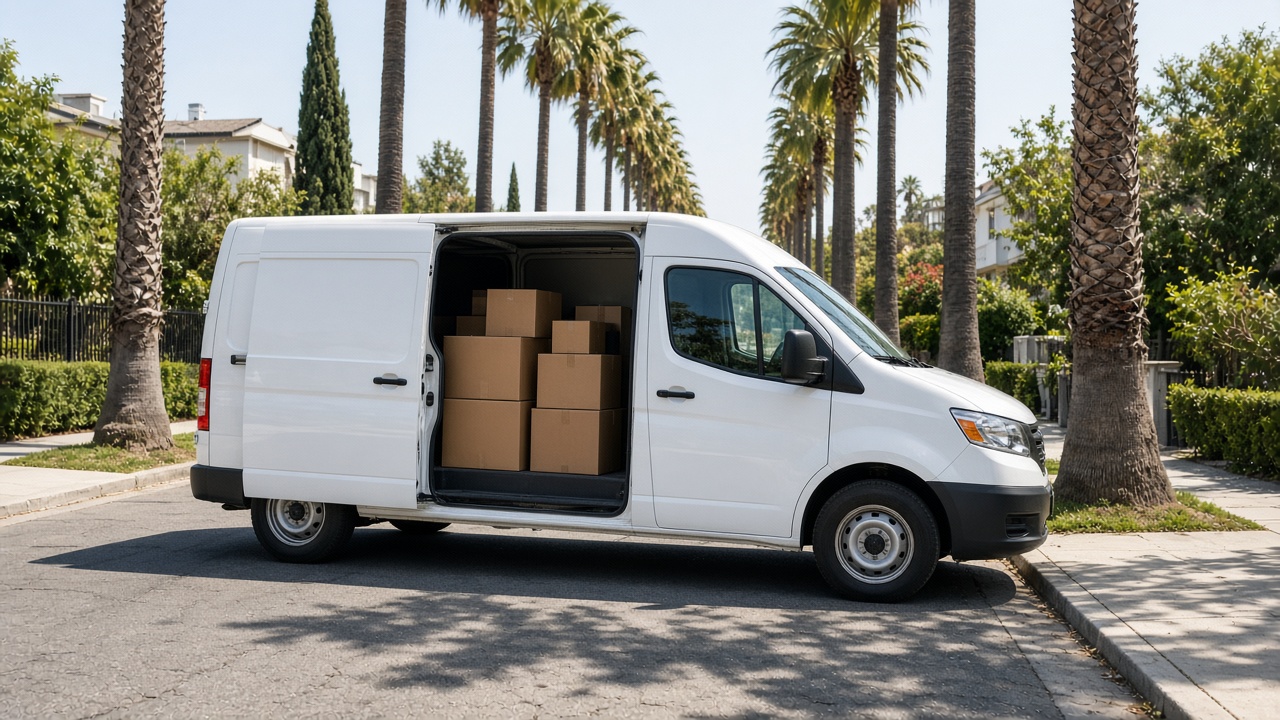
Delivery vans are part of daily traffic in Los Angeles. They double park on narrow streets in Echo Park, cut across lanes to reach a loading zone downtown, and make tight turns in residential neighborhoods all day. When one of those vans hits your car, your bike, or you on foot, the first question is simple: who pays?
The answer is often more complicated than the name on the side of the van. The driver, the person or company that owns the van, and the business that directs the delivery work can each be part of the picture. California law treats each of those relationships differently. This post walks through the main rules in plain language. It is general information, not legal advice for your situation.
Start with the driver
The person behind the wheel is responsible for driving with reasonable care. Speeding, distracted driving while checking a route screen, running a light, or opening a door into traffic can all be the basis of a negligence claim against the driver.
The practical problem is that an individual driver may not carry enough insurance to cover a serious injury, and a personal auto policy may treat business use differently. That is why the other parties connected to the van matter so much.
When the van’s owner is responsible
California Vehicle Code section 17150 says every owner of a motor vehicle is liable and responsible for death or injury to person or property resulting from a negligent or wrongful act or omission in the operation of the vehicle, in the business of the owner or otherwise, by any person using or operating it with the permission, express or implied, of the owner.
That means the owner of a delivery van can be responsible for a permitted driver’s negligence even if the owner was nowhere near the crash. There is an important limit. Vehicle Code section 17151 caps the owner’s liability under this rule when it does not arise through a principal and agent or employer and employee relationship. Section 17151 also says the owner is not liable under this chapter for punitive damages imposed to punish the driver.
In plain terms, owner liability under section 17150 is real but limited. When the injuries are serious, the employment or agency relationship usually becomes the bigger question.
Why the company behind the route matters
California Civil Code section 2338 states that, unless required by or under the authority of law to employ that particular agent, a principal is responsible to third persons for the negligence of its agent in the transaction of the business of the agency, including wrongful acts committed by the agent in and as a part of that business.
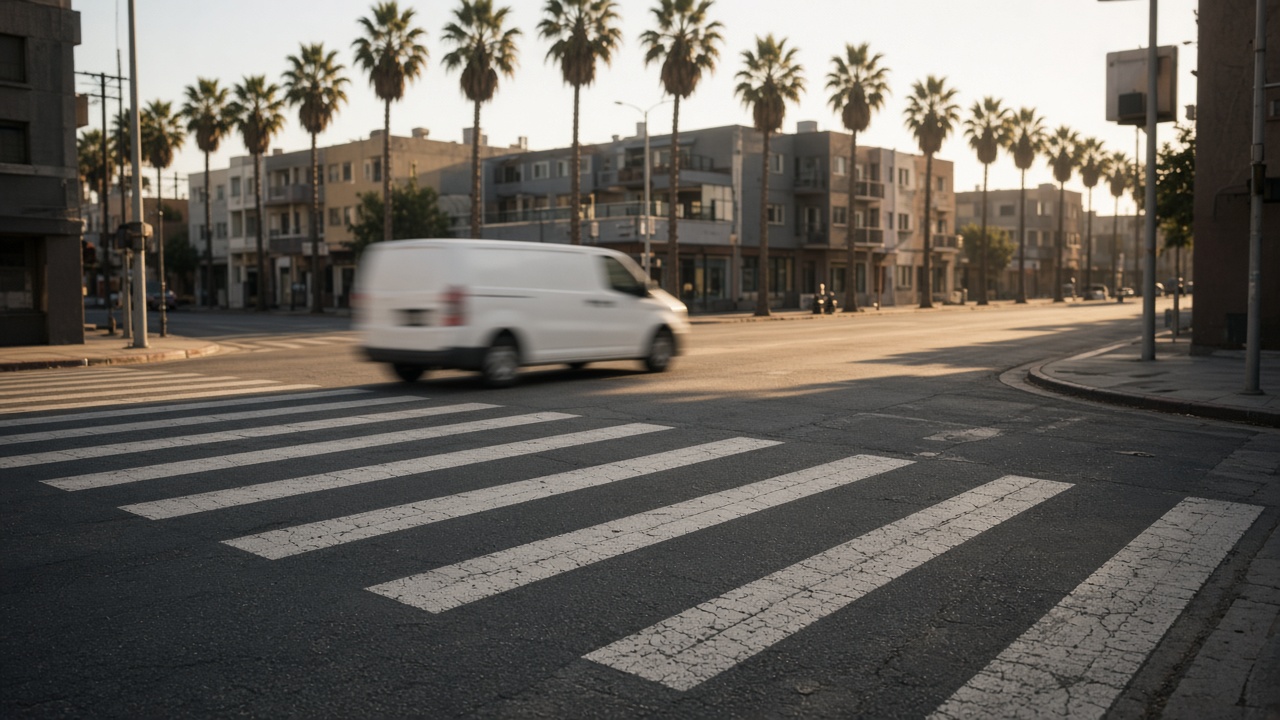
For a delivery crash, this rule points to the company the driver was working for at the time. If the driver was an employee or agent making deliveries as part of that business, the company may be responsible for the driver’s negligence during that work. Unlike the owner liability rule in section 17150, this kind of responsibility is not capped by section 17151.
The hard part is that delivery work in Los Angeles is organized in many ways:
- A retailer or parcel company may employ its own drivers and own its own vans.
- A separate delivery contractor may hire drivers and run routes for a larger company.
- A driver may use a personal vehicle and pick up work through an app.
- A van may be rented or leased from a company that has nothing to do with the deliveries.
Each arrangement changes who was the driver’s employer or principal and which insurance policies may apply. Logos on a van, the uniform a driver wears, or the company named on a package do not settle that question by themselves. Contracts, payroll records, route assignments, and app data often do.
Rented and leased vans
Many delivery fleets use rented or leased vans. Federal law limits claims against rental and leasing companies in one specific way. Under 49 U.S.C. 30106, often called the Graves Amendment, an owner engaged in the trade or business of renting or leasing motor vehicles is not liable under state law, by reason of being the owner, for harm arising from the use of the vehicle during the rental or lease period, as long as there is no negligence or criminal wrongdoing on the part of the owner or its affiliate.
So a rental company is usually not liable just because its name is on the title. It can still be responsible for its own negligence, for example if a claim shows it failed to address a known safety defect. The company that rented the van and put the driver on the road remains a separate question under California law.
Evidence that helps sort out liability
Delivery crashes generate records that ordinary car crashes do not. Ask early, because some of this data is kept for limited periods:
- The police or California Highway Patrol report and the names of any witnesses
- Photos of the van from all sides, including any company markings, unit numbers, or fleet decals
- The driver’s name, the company the driver says they work for, and the insurance information they give you
- Dash camera or exterior camera footage from the van, nearby businesses, or other drivers
- Route, stop, and delivery records that show where the driver was supposed to be and when
- Telematics or GPS data showing speed and braking before impact
- Your medical records from the first visit forward and records of missed work
Do not try to collect company records yourself by calling the driver’s employer. A written preservation request from counsel is usually the clearer way to keep video and data from being overwritten.
Talking to insurers after a delivery van crash
You may hear from more than one insurer: the driver’s personal carrier, a commercial policy for the van, and possibly a policy for the company behind the route. Each may point at another. Give basic facts, keep copies of what you send, and avoid recorded statements about your injuries before you understand your treatment. Statements about pain that you make in the first days often get quoted back later.
Your own policy may matter too. If the at-fault parties do not have enough coverage, uninsured or underinsured motorist coverage on your own policy may become relevant. Read your declarations page so you know what you carry. Keep a simple claim log with the date, the insurer, the adjuster’s name, and what was said in each call or letter. When several carriers are involved, that record helps keep the story straight.
Deadlines in California
California Code of Civil Procedure section 335.1 sets a two-year deadline for an action for injury to or death of an individual caused by the wrongful act or neglect of another.
Shorter deadlines can apply when a government vehicle is involved. Under Government Code section 911.2, a claim relating to a cause of action for death or injury to a person must be presented to a California public entity no later than six months after the cause of action accrues. If the van belonged to a federal agency, 28 U.S.C. 2401(b) generally requires a written claim to the federal agency within two years after the claim accrues. Identify the van’s owner early so the right deadline is on the calendar.
Frequently asked questions
Can I sue the company if the driver was not its employee?
It depends on the relationship. Civil Code section 2338 makes a principal responsible for the negligence of its agent in the business of the agency. Whether a delivery driver was acting as the company’s agent depends on contracts, control, and the facts of the work.
Is the owner of the van always responsible?
Vehicle Code section 17150 makes an owner responsible for a permitted driver’s negligent operation, but section 17151 limits that liability when it does not arise from an agency or employment relationship. Rental and leasing companies also have the federal protection in 49 U.S.C. 30106.
How long do I have to file after a Los Angeles delivery van crash?
Most injury actions must be filed within two years under Code of Civil Procedure section 335.1. Claims against a California public entity must be presented within six months under Government Code section 911.2.
How Milano Legal Group Can Help
A delivery van crash in Los Angeles often involves a driver, a vehicle owner, and a company behind the route, each with different insurance. We work to identify who owned the van, who the driver was working for, and which policies apply, and we request route data and video before it disappears. Learn more on our Los Angeles car accident lawyer page and our pedestrian accidents page. You won’t pay any legal fees upfront, and if your case does not result in compensation, you don’t have to pay legal fees. The initial consultation is free. Call Milano Legal Group at 855-545-1777 to talk through your options. Serving clients throughout Arizona, California, Florida and Texas.
This article is for general information only and is not legal advice. Laws change, and every case depends on its facts.
Sources
- Cal. Vehicle Code 17150: https://leginfo.legislature.ca.gov/faces/codes_displaySection.xhtml?lawCode=VEH§ionNum=17150
- Cal. Vehicle Code 17151: https://leginfo.legislature.ca.gov/faces/codes_displaySection.xhtml?lawCode=VEH§ionNum=17151
- Cal. Civil Code 2338: https://leginfo.legislature.ca.gov/faces/codes_displaySection.xhtml?lawCode=CIV§ionNum=2338
- Cal. Code of Civil Procedure 335.1: https://leginfo.legislature.ca.gov/faces/codes_displaySection.xhtml?lawCode=CCP§ionNum=335.1
- Cal. Government Code 911.2: https://leginfo.legislature.ca.gov/faces/codes_displaySection.xhtml?lawCode=GOV§ionNum=911.2
- 49 U.S.C. 30106, Rented or leased motor vehicle safety and responsibility: https://www.law.cornell.edu/uscode/text/49/30106
- 28 U.S.C. 2401, Time for commencing action against United States: https://www.law.cornell.edu/uscode/text/28/2401
- Milano Legal Group homepage FAQ (fee wording): https://milanoaccidentlawyers.com/